
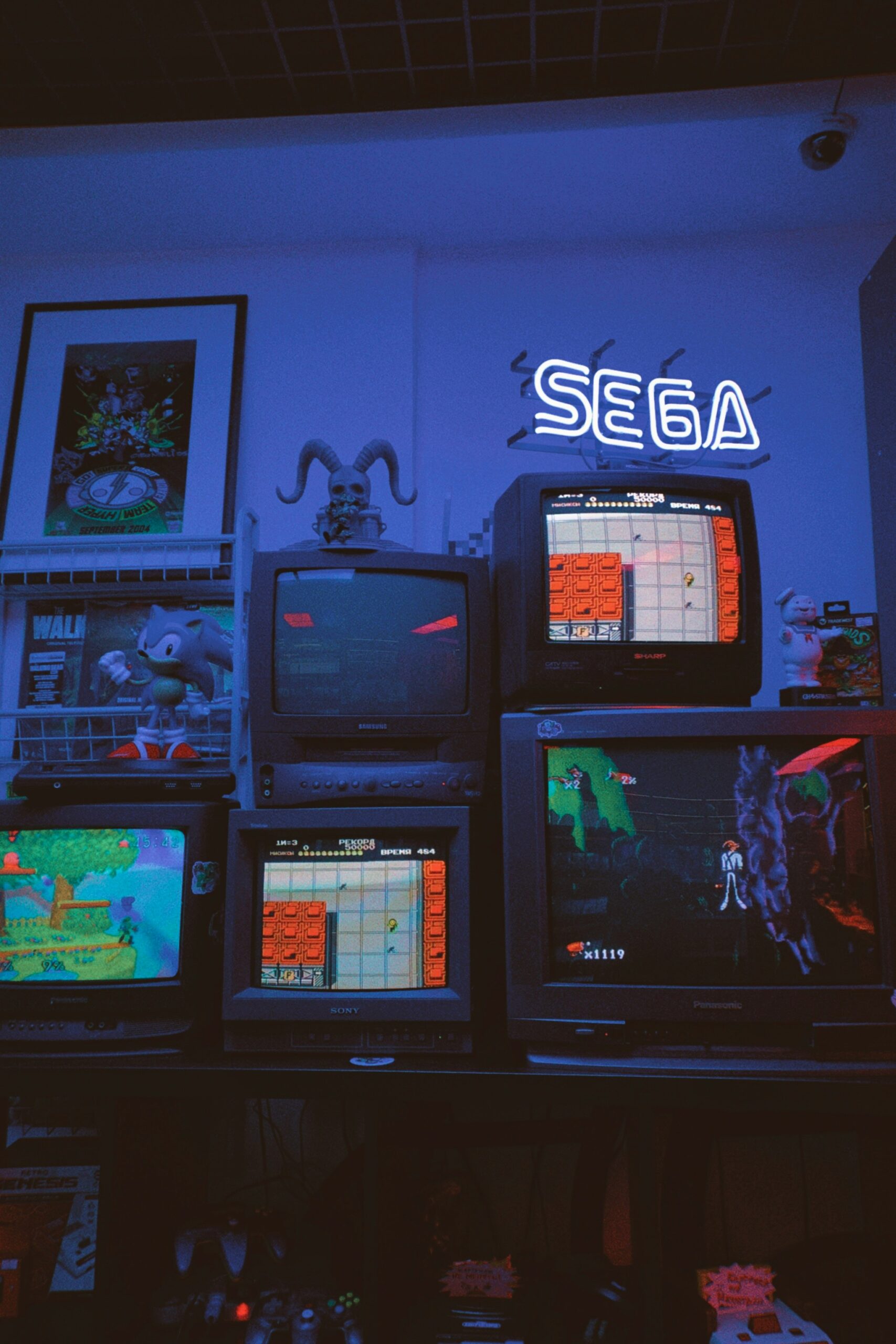
Retro graphic art has shaped the way we see gaming, fashion, and digital culture today. From the pixelated sprites of arcade classics to modern gaming-inspired apparel, the influence of pioneering designers in retro art is undeniable. This article explores the origins, evolution, and impact of retro graphic design and the artists who made it iconic.
| Topic | Summary |
|---|---|
| Origins of Retro Graphic Art | 8-bit & 16-bit graphics revolutionized gaming aesthetics. |
| Pioneering Designers | Early game artists shaped the industry with unique pixel-based designs. |
| Impact on Fashion | Retro gaming art has inspired modern apparel and merchandise. |
| Cultural Influence | Pixel art continues to influence digital culture, from glitch art to vaporwave. |
| Future Trends | The resurgence of pixel aesthetics in indie games and fashion. |
The Birth of Retro Graphic Art
The roots of retro graphic art date back to the golden era of arcade games and 8-bit consoles. Limited by technology, designers relied on pixel-based art styles to create memorable characters and immersive worlds. The simplicity of 16×16 pixel sprites gave rise to an aesthetic that remains beloved today.
Key influences in retro gaming art:
- The arcade revolution of the 1980s (Pac-Man, Space Invaders).
- The rise of 8-bit and 16-bit consoles (Nintendo Entertainment System, Sega Genesis).
- Color palettes and pixel grids defining character and environment designs.
For a nostalgic throwback, check out the Arcade & Games Collection featuring designs inspired by classic gaming aesthetics.
Iconic Pioneers in Retro Graphic Design
Some of the most influential designers in gaming history helped define retro aesthetics. Their pixel-based art became the foundation of modern game design and continues to inspire artists worldwide.
Notable figures in retro graphic art:
- Shigeru Miyamoto – Created iconic characters like Mario and Donkey Kong.
- Toru Iwatani – Designed Pac-Man, a cultural phenomenon.
- Yuji Naka – The mastermind behind Sonic the Hedgehog’s vibrant pixel art.
Love retro gaming nostalgia? Explore the Retro Tech & Nostalgia Collection.
The Impact of Pixel Art in Modern Design
Even with modern high-definition graphics, pixel art remains a powerful visual language in gaming and design. The retro aesthetic has transcended gaming, influencing fashion, music, and internet culture.
Where pixel art thrives today:
- Indie games like Stardew Valley and Celeste keep pixel graphics alive.
- Fashion brands incorporate pixel art in streetwear and apparel.
- Vaporwave & glitch aesthetics use pixel distortion for a nostalgic effect.
For a fusion of vaporwave and retro gaming aesthetics, check out the Vaporwave Aesthetic Art Collection.
Retro Graphic Art in Fashion & Merchandise
From gaming t-shirts to hoodies, retro-inspired apparel has become a mainstream trend. Pixelated characters, glitch art, and old-school game references make their way onto fashion statements worldwide.
Popular designs in retro gaming apparel:
- 8-bit pixelated characters & logos
- Glitch-style and neon cyber aesthetics
- Classic console-inspired graphics
Want to wear the nostalgia? Check out the 8-Bit Pixelated Retro T-Shirt.
Japanese Influence on Retro Art
Japan has played a major role in shaping retro pixel art, thanks to its dominance in classic gaming and anime culture.
How Japan shaped retro design:
- Anime aesthetics in 16-bit games (Dragon Ball, Pokémon).
- Japanese arcade culture influencing pixel graphics.
- Katakana typography & neon cyberpunk vibes.
Explore designs influenced by Japanese aesthetics in the Japanese Collection.
The Revival of Classic Gaming Aesthetics
Retro gaming aesthetics are making a comeback thanks to a new wave of indie developers and artists. Many modern games intentionally use pixel art to evoke nostalgia and simplicity.
Why retro graphics are making a comeback:
- Indie games embrace 8-bit & 16-bit styles.
- Gaming fashion merges nostalgia with modern trends.
- Streaming culture revives appreciation for retro designs.
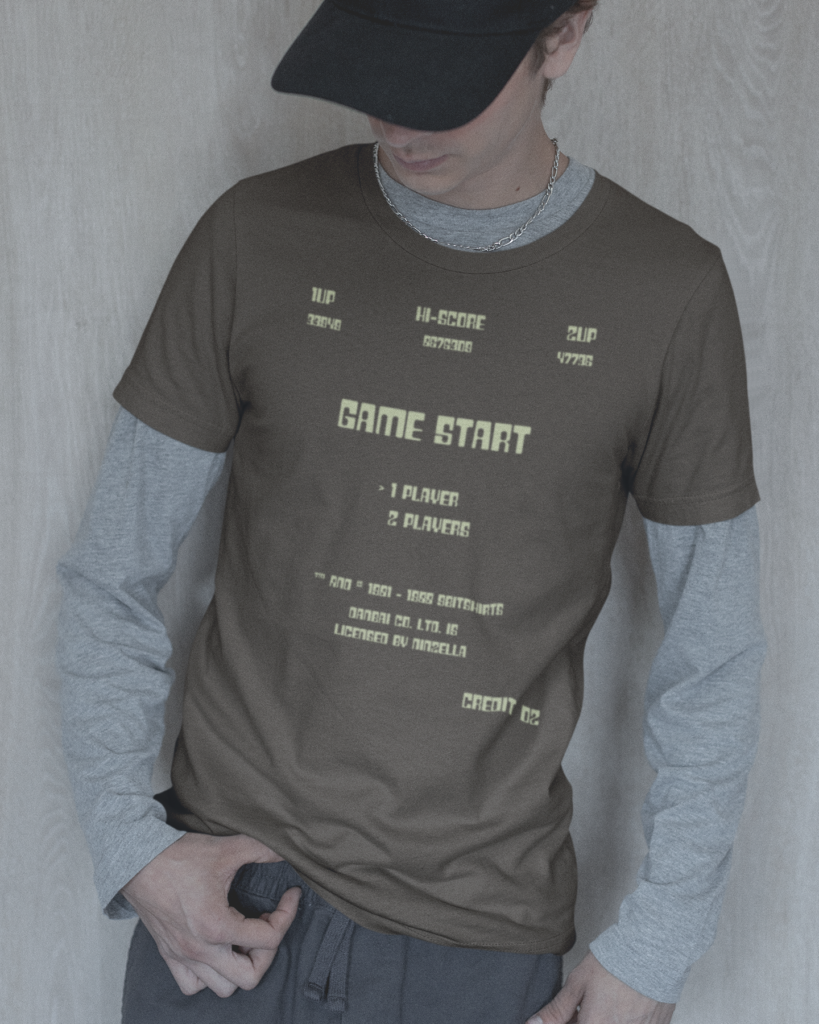
Relive the gaming nostalgia with the Press Start Nostalgic T-Shirt.
Surrealism and Abstract Elements in Retro Art
Some modern pixel artists blend retro gaming aesthetics with surreal and abstract elements. This fusion of pixel art and experimental design creates unique visual experiences.
Examples of abstract retro art:
- Glitch-inspired and distorted pixels.
- Neon cyberpunk color palettes.
- Blending pixel art with modern surrealism.
For surreal and abstract-inspired designs, check out the Abstract & Surreal Designs Collection.
Retro Art in Digital Culture & Internet Aesthetics
The internet has embraced retro art styles in memes, vaporwave, and glitch aesthetics. The nostalgic appeal of lo-fi digital art continues to influence graphic design trends worldwide.
Where retro art appears in digital culture:
- Glitch and error-themed designs.
- GIFs and pixel animations.
- Web aesthetics inspired by the 90s.
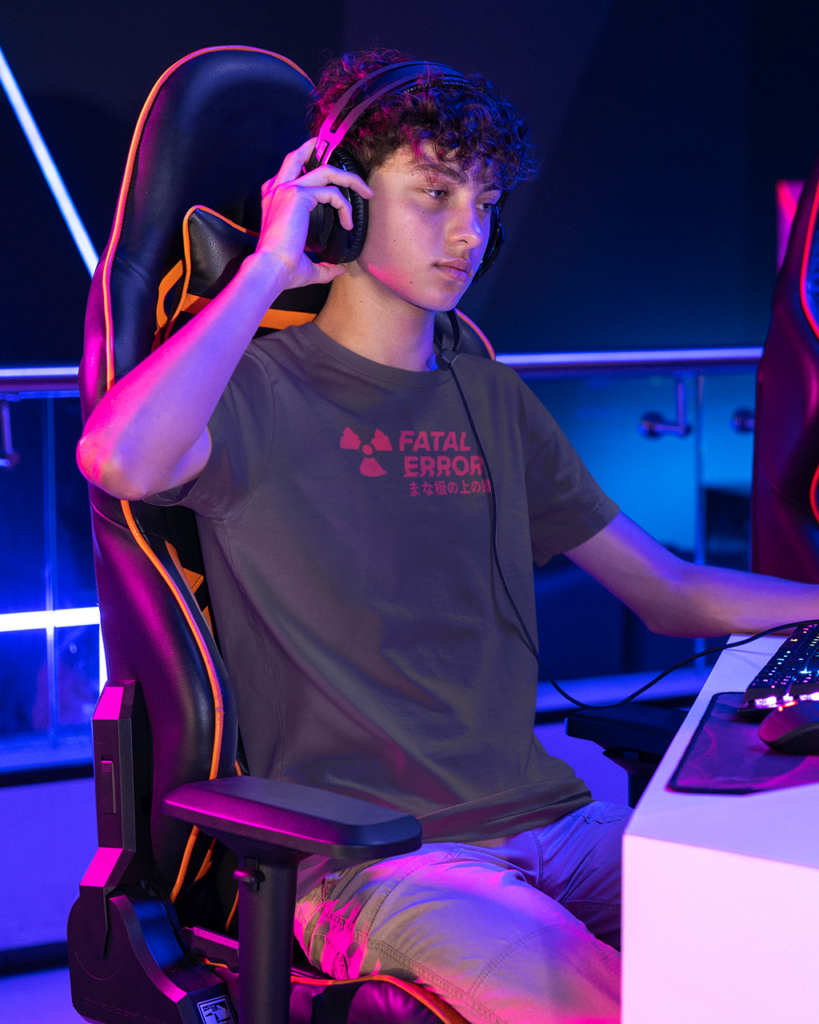
For a cool glitch effect, check out the Glitch Text Fatal Error.
Technological Evolution and Retro Art
As technology advances, artists find new ways to merge modern tools with retro aesthetics. From AI-generated pixel art to 3D-rendered pixel designs, the evolution of retro art is fascinating.
Modern innovations in retro design:
- 3D pixel-style modeling.
- Neon cyberpunk meets pixel art.
- AI-generated 8-bit characters.
A nod to old-school computing? Check out the Cobol Pascal Fortran Basic Programming.

The Future of Retro Graphic Art
The retro aesthetic isn’t going anywhere. With the rise of indie games, pixel-based NFTs, and retro-inspired fashion, it’s clear that pixel art will continue to evolve while honoring its nostalgic roots.
Where retro art is heading:
- More retro-inspired streetwear and apparel.
- Pixel NFTs & blockchain art.
- Indie gaming pushing pixel graphics further.
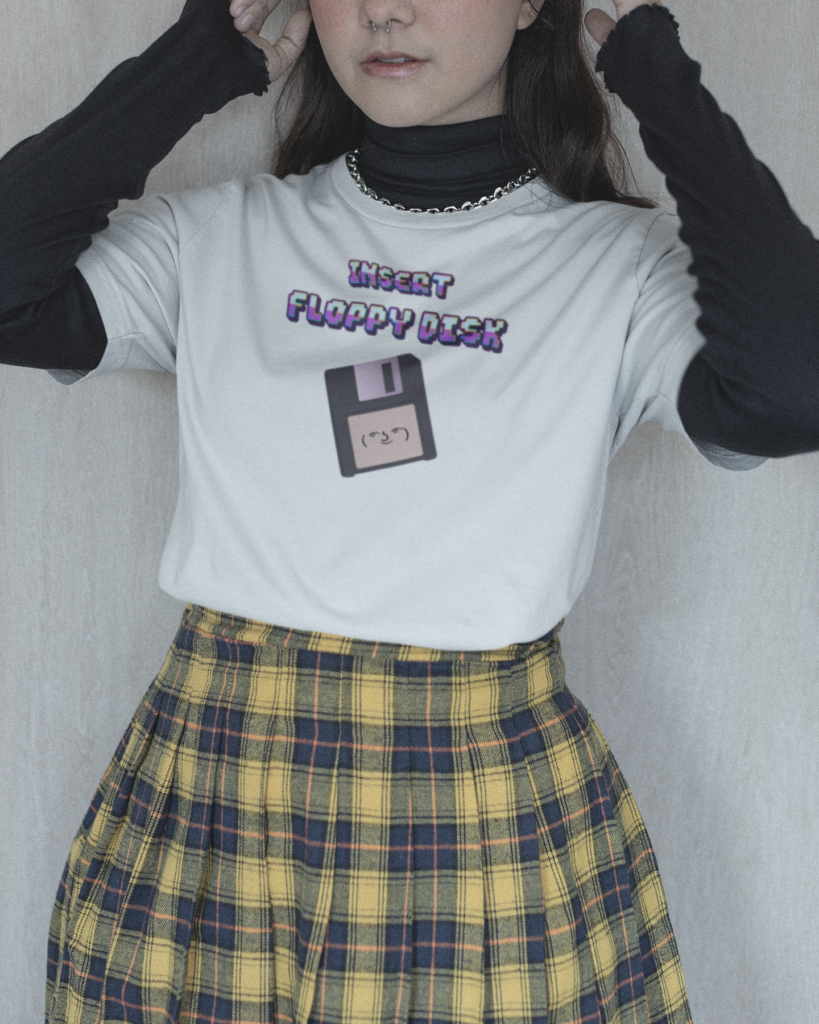
For a classic tech-inspired look, check out the Insert Floppy Disk T-Shirt.
Conclusion
Retro graphic art remains a powerful and timeless aesthetic, influencing everything from gaming to fashion and digital culture. As technology evolves, the love for pixel-based design continues to thrive, proving that nostalgia never goes out of style.