
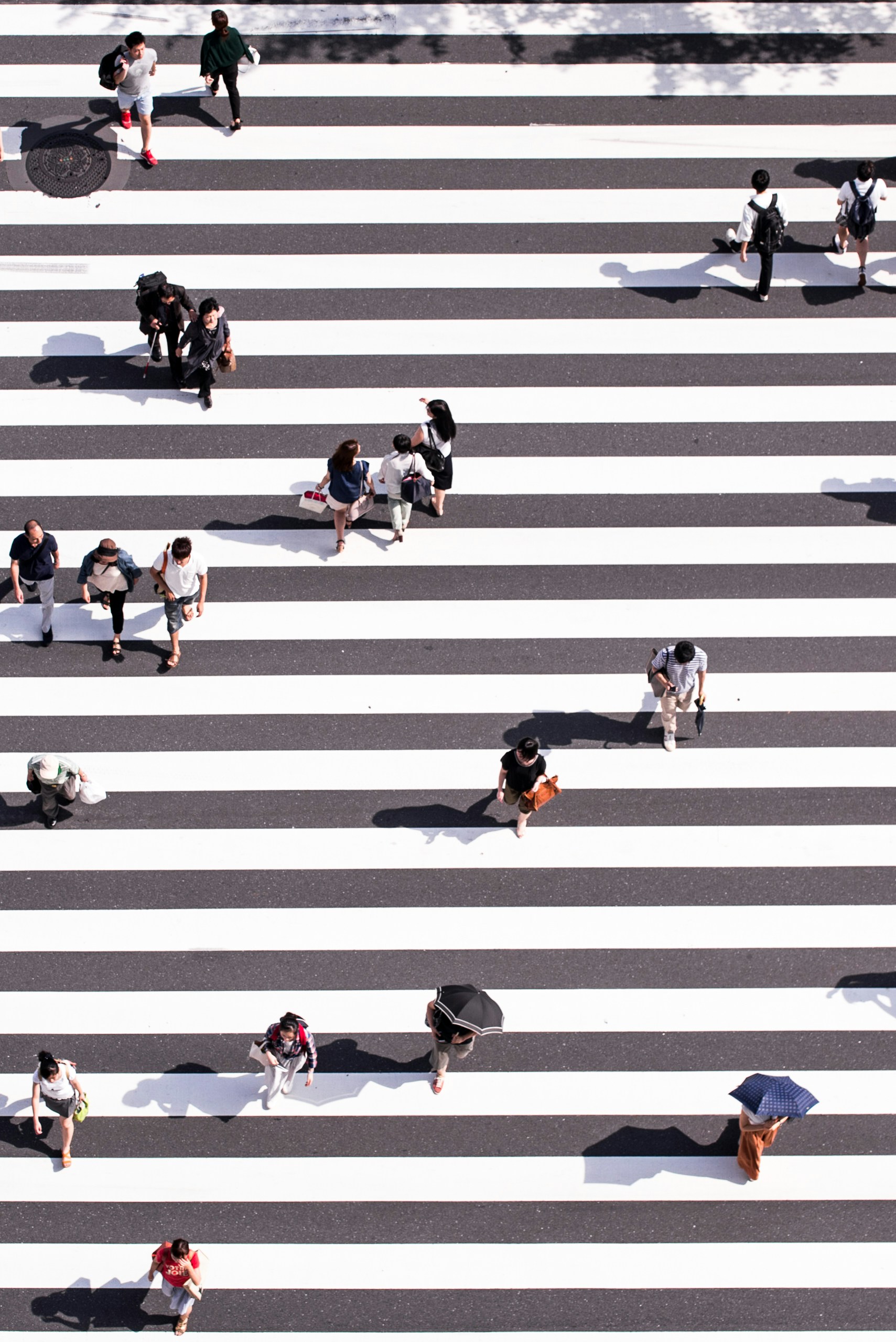
Modern Applications of Minimalism in Japanese Design
Minimalism extends beyond tradition into various aspects of contemporary design, resonating with global trends in architecture, fashion, and digital aesthetics. The appeal of Japanese minimalism lies in its ability to balance form and function, creating designs that are both visually striking and inherently practical.
1. Fashion: Timeless Statements Through Simplicity
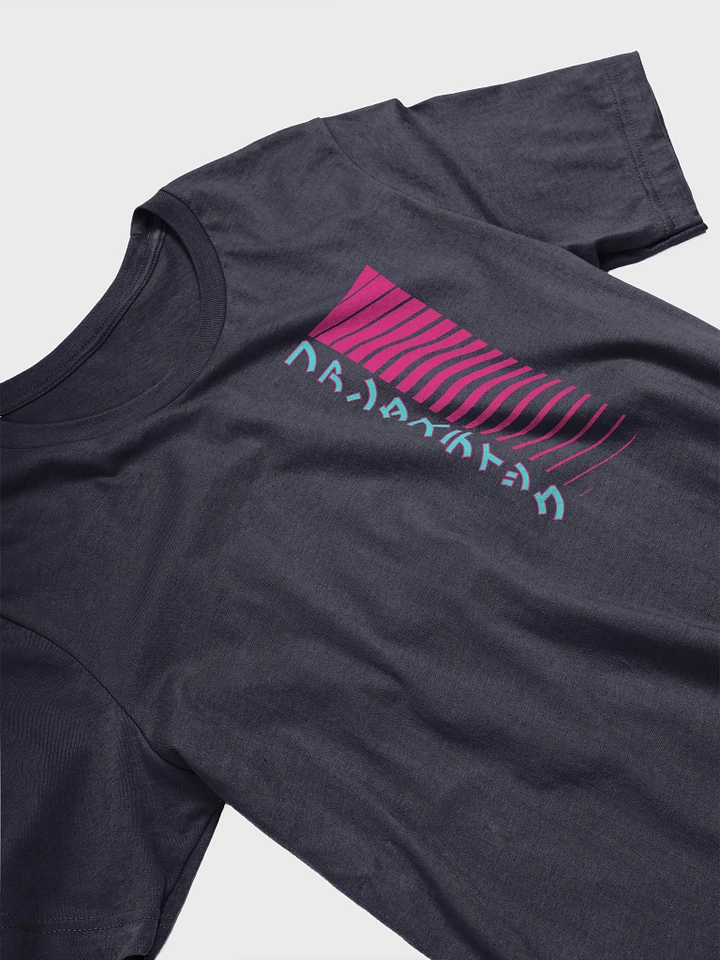
Japanese-inspired fashion reflects minimalism by merging clean cuts, neutral tones, and subtle detailing. 9bitshirts excels in this niche by offering wearable art with minimalist aesthetics, as seen in the Camera Japanese Katakana t-shirt. These designs blend cultural elements with modern sensibilities, making them versatile for both casual and statement outfits.
Key traits of minimalist fashion include:
- Neutral Color Palettes: Shades like white, black, and gray dominate.
- Subtle Graphics: Logos or text in soft hues maintain the clean aesthetic.
- Functional Comfort: Materials prioritize wearability, ensuring they align with the user’s lifestyle.
2. Digital and Graphic Design: Clean, User-Friendly Interfaces
Minimalism’s influence on digital design emphasizes clarity and user-friendliness. Websites, apps, and branding now prioritize white space, clear typography, and simple color schemes, reflecting the same principles seen in traditional Japanese art.
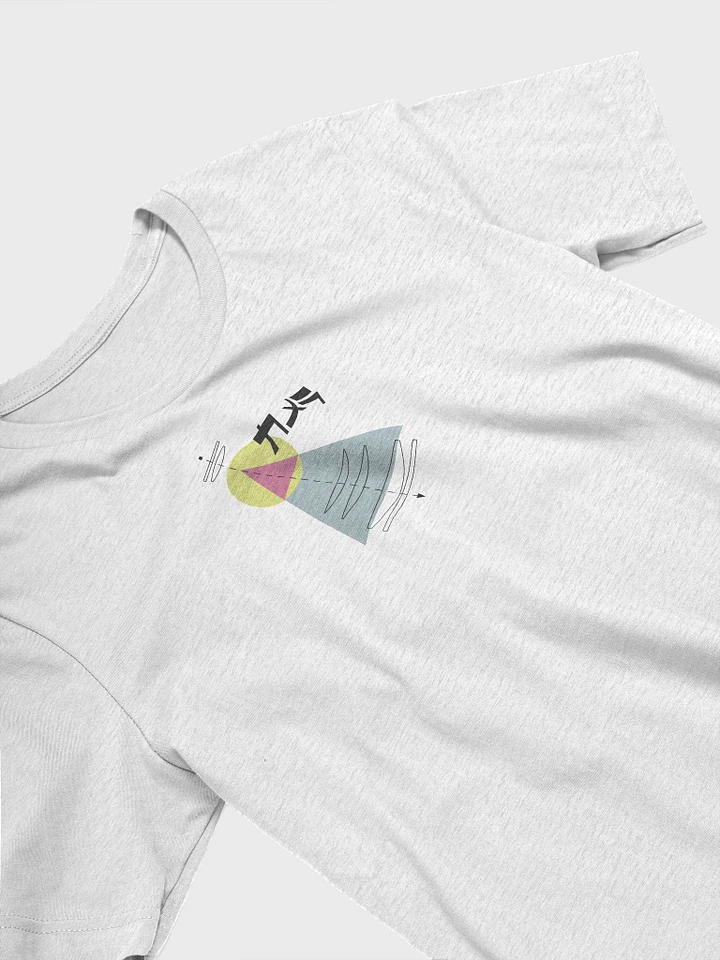
The Fantastic in Japanese Katakana t-shirt, for instance, applies clean typography reminiscent of contemporary UI/UX design trends, blending cultural motifs with minimalist appeal.
3. Global Influence on Art and Architecture
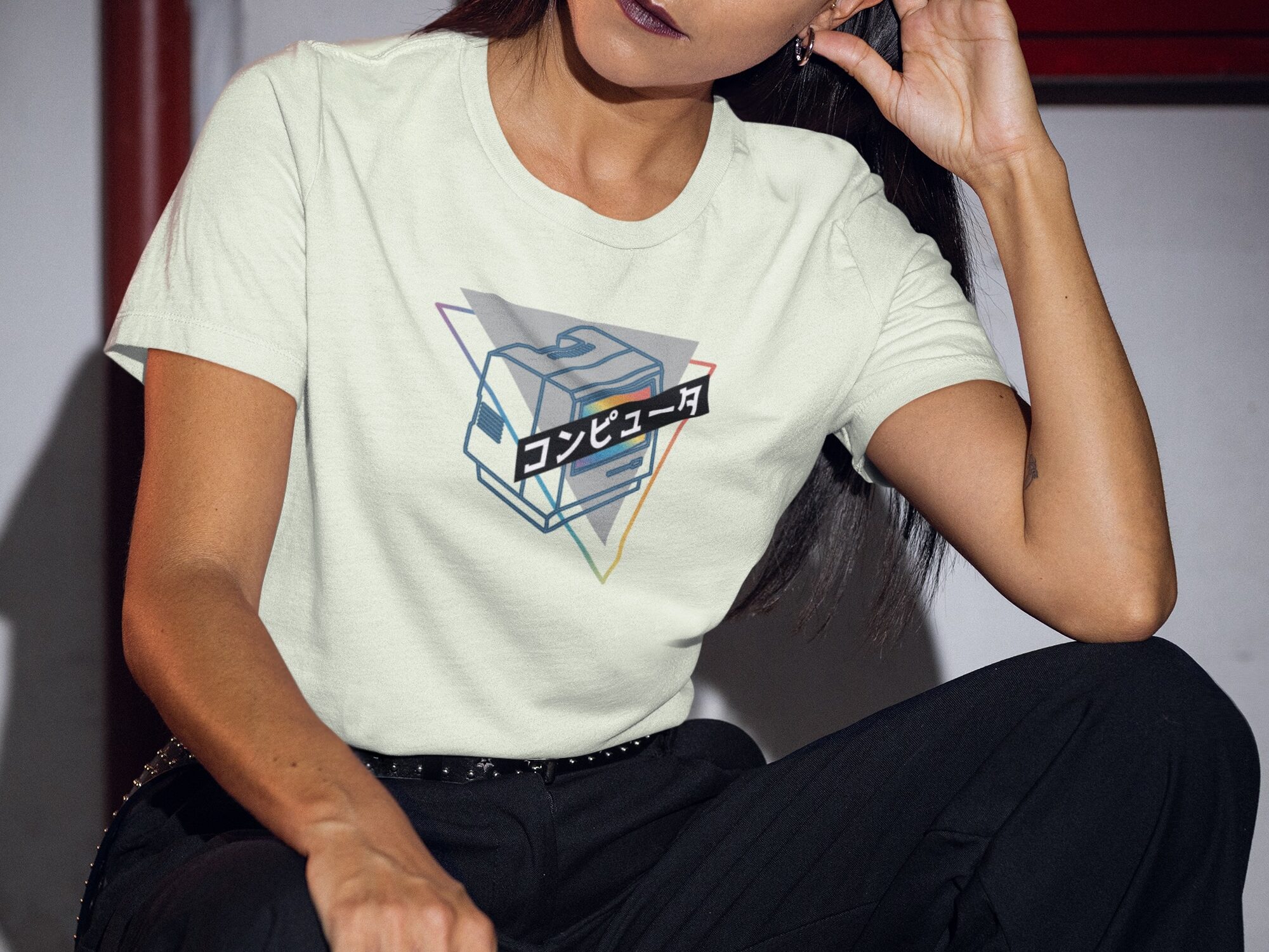
In architecture, minimalism is synonymous with Japanese concepts such as wabi-sabi (the beauty of imperfection) and ma (the use of empty space). Modern minimalist homes often feature large open spaces, natural lighting, and a strong connection to the outdoors—principles echoed in the simplicity of designs like the Computer Japanese Katakana.
Similarly, contemporary art has embraced Japanese minimalism through:
- Geometric Patterns: Similar to the abstract aesthetic of the My Head Feels Dizzy in Japanese t-shirt.
- Monochrome Themes: Reflecting balance and calmness, often found in abstract paintings or installations.
The Intersection of Japanese Minimalism and Sustainability
Minimalism in Japanese design naturally aligns with the growing global focus on sustainable and ethical practices in various industries. By emphasizing simplicity, functionality, and timelessness, this design philosophy supports a mindful approach to consumption, resonating with contemporary efforts to minimize waste and environmental impact.
1. Minimalism as a Path to Sustainability
The minimalist approach reduces resource use by prioritizing quality over quantity. Products that follow this philosophy are typically designed to last, discouraging the disposable culture of fast fashion and mass production. The 9bitshirts collection embodies this with timeless designs like the My Head Feels Dizzy in Japanese, which merges durability with artistry.
Key contributions to sustainability include:
- Durable Materials: Ensuring products can be worn over extended periods.
- Multi-Seasonal Appeal: Designs like the Fantastic in Japanese Katakana stay relevant, avoiding the need for frequent wardrobe updates.
- Streamlined Production: Minimalism in design often simplifies manufacturing, reducing energy and resource consumption.
2. Ethical Fashion: A Mindful Movement
As consumer awareness about ethical fashion grows, minimalist designs are becoming symbols of conscientious choices. The understated elegance of products like the Camera Japanese Katakana reflects this shift, focusing on thoughtful production and reduced environmental footprints.
How Japanese-inspired minimalism supports ethical fashion:
- Less Waste: Fewer, versatile items cater to capsule wardrobes.
- Transparency in Craftsmanship: Customers increasingly demand insight into where and how their clothes are made.
- Cultural Respect: Designs honoring Japanese aesthetics, such as the Computer Japanese Katakana, reflect a commitment to authentic cultural representation.
3. A Global Trend: Minimalism’s Cultural Influence
The principles of Japanese minimalism transcend borders, influencing Western sustainable design movements. From interior design to fashion, the emphasis on “buy less, but better” has shaped consumer behaviors worldwide.
Highlights of this trend include:
- Global Collaborations: Fusion of Japanese simplicity with international art forms.
- Cultural Preservation: Maintaining traditional influences in modern, eco-friendly ways.
- Aesthetic Versatility: Products inspired by Japanese minimalism complement a variety of personal styles, ensuring wide appeal.
Final Thoughts
Japanese minimalism offers more than a design philosophy—it provides a framework for living intentionally. By choosing minimalist-inspired products like those from 9bitshirts, consumers embrace a sustainable and culturally rich approach to fashion and design.
Comments
One response to “Modern Applications of Minimalism in Japanese Design”
[…] design. You appreciate minimalism and the beauty in forgotten things. Look for tees that feature minimalist Japanese designs or soft, faded colors that evoke a sense of […]