Key Takeaways: Digital Distortion as an Aesthetic Trend
| Aspect | Details |
|---|---|
| Definition | Turning visual errors into intentional design elements. |
| Applications | Fashion, digital media, and branding strategies. |
| Emotional Appeal | Taps into both nostalgia and futuristic tech aesthetics. |
| Cultural Relevance | Seen in Vaporwave, glitchcore, and modern marketing campaigns. |
| Future Trajectory | VR, AR, and AI innovations to lead its next evolution. |
Introduction
Imagine this: a graphic tee showcasing a computer error screen or a VHS glitch. What once was seen as a mistake is now at the forefront of modern design. Digital distortion, an artistic celebration of visual imperfections, challenges traditional norms of beauty.
This trend’s roots go deep—bridging retro tech nostalgia with avant-garde artistry. From apparel to branding, digital distortion has found its aesthetic home in the era of innovation.
What is Digital Distortion?
Digital distortion refers to purposeful imperfections, borrowing glitches and errors from tech culture to form abstract, chaotic visuals.
Whether seen in pixel-stretched designs or fractured imagery, the concept celebrates the inherent beauty in digital chaos. Far from limiting creative expression, distortion enables brands and artists to connect with audiences craving relatable, imperfect aesthetics.
The Psychology Behind Digital Distortion
Why does distorted imagery captivate us?
- Tech Familiarity
People spend hours on screens, forming an unintentional connection to digital visuals, even errors. - Humanizing Modern Chaos
The fragmented, imperfect elements symbolize raw and unfiltered emotions, resonating deeply. - Blend of Nostalgia and Innovation
Modern designs echo old media (CRT screens, 8-bit errors) while projecting futuristic visions.
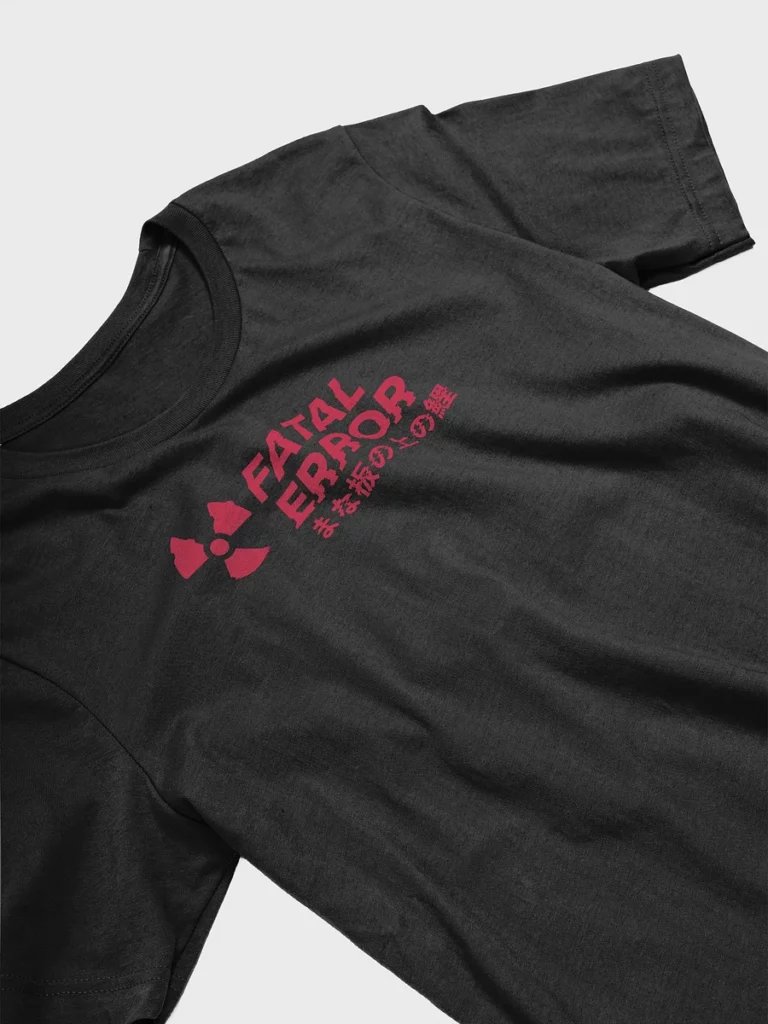
The Glitch Text Fatal Error Tee showcases digital chaos as wearable art.
Applications in Modern Design
Digital distortion excels at blurring boundaries between fashion, media, and advertising:
- Clothing: Think pixel-stretched designs, like the Pixelated Vaporwave Aesthetic Tee.
- Digital Media: Background graphics with broken VHS tape effects, loop animations, and layered glitches.
- Advertising: Brands use distortion to create bold, attention-grabbing campaigns that emphasize imperfect beauty.
For example, check out glitch-based apparel in Vaporwave & Aesthetic Art, which seamlessly merges design with digital distortion.
Blending Techwear and Surrealism
Futuristic wearables influenced by digital motifs dominate collections such as the Tech & Programming Designs:
- Features: Surreal graphics combined with code errors to create standout apparel.
- Why It’s Relevant: Tech-influenced designs resonate with creators and tech lovers.
Highlight: Arcade Cabinet Blueprint Tee layers retro gaming visuals with glitch themes.

Best Digital Distortion Designs to Explore
| Product | Why it Stands Out |
|---|---|
| Pixelated Vaporwave Aesthetic Tee | Blends bold glitch art with wearable tech nostalgia. |
| Glitch Text Fatal Error Sweatshirt | Perfect for making a statement with minimalist glitch details. |
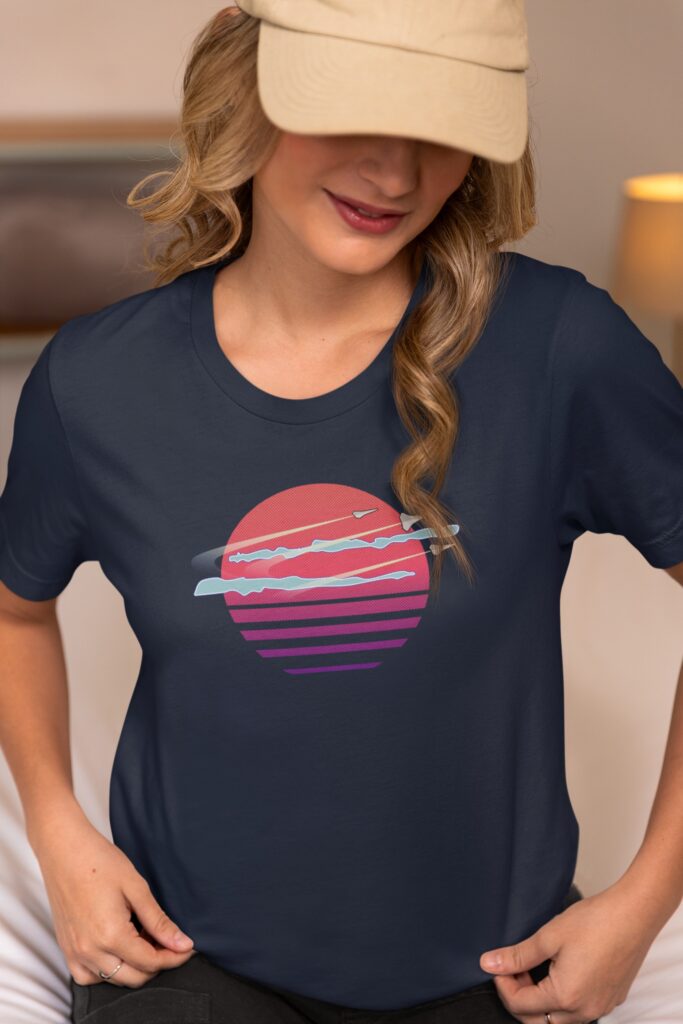
| RetroWave Alien Sun Tee | Neon designs that scream retro futurism. |
| Byte Me Microchip | A tribute to retro tech while leaning into abstract aesthetics. |
The Future of Digital Distortion
Digital distortion continues to evolve with the rise of AI-generated art and interactive media:
- VR Experiences: Brands can integrate movement-based glitches for immersive realities.
- AR Filters: Smartphone users experiment with glitch distortion as Instagram-worthy effects.
- Dynamic Clothing: Fabrics of tomorrow may dynamically change appearances using real-time pixelation or glitches.
Digital distortion bridges the gap between imperfection and artistry. Its embrace across industries like fashion, design, and tech proves its adaptability and aesthetic appeal. The trend celebrates the unpolished beauty in glitches, pushing creativity to explore exciting, uncharted digital territory.
Here’s an FAQ section to complement the article, designed to address potential reader queries while boosting SEO:
Frequently Asked Questions
1. What is digital distortion in art and design?
Digital distortion is the use of visual glitches, pixelation, and fragmented imagery as deliberate artistic choices. Initially seen as errors in digital media, these imperfections are now celebrated for their unique aesthetic appeal.
2. What industries are using digital distortion trends?
Digital distortion is popular in:
- Fashion: For graphic tees, sweatshirts, and wearable art.
- Graphic Design: In branding, logos, and digital media.
- Marketing: Used in ads to stand out with bold, chaotic visuals.
Explore designs like RetroWave Alien Sun for a wearable representation of this trend.
3. Why is digital distortion so popular in fashion?
Digital distortion resonates with tech-savvy audiences who admire retro influences combined with futuristic elements. It symbolizes the harmony of imperfection and innovation, appealing to individuals seeking edgy, bold style statements. Check out the Pixelated Vaporwave Aesthetic for an example.
4. Is glitch art the same as digital distortion?
Glitch art is a form of digital distortion. However, digital distortion encompasses a broader range of visual errors, including pixel stretching, artifacts, and screen freezes, while glitch art typically involves intentional manipulation of corrupted files or software malfunctions.
5. How do I incorporate digital distortion into my personal style?
Consider clothing or accessories inspired by glitch aesthetics. Start with graphic tees or sweatshirts that feature broken text, pixelated imagery, or retro tech visuals. Browse options in Vaporwave & Aesthetic Art for inspiration.
6. What does the future hold for the digital distortion aesthetic?
With advancements in AI and AR, digital distortion is expected to move into more dynamic and interactive formats. Future applications could include:
- Interactive Clothing: Designs that change in real time.
- AR/VR Visuals: Immersive digital worlds featuring glitch aesthetics.